Article Plan: Fresh Market Chicken Cordon Bleu Cooking Instructions (as of 03/26/2026 18:28:55)
Chicken Cordon Bleu evokes nostalgia, offering layers of cheese and ham. Modern variations, like casseroles inspired by Ree Drummond and Bobby Flay, simplify preparation.
These quick recipes deliver classic flavors in under thirty minutes, proving elegance doesn’t require extensive time. Enjoy this comforting dish!
Chicken Cordon Bleu, a dish steeped in culinary tradition, translates to “blue ribbon chicken” – a fitting name for its elegant presentation and rich flavors. This classic preparation typically involves chicken breasts pounded to an even thickness, then layered with savory ham and delectable Swiss or Gruyere cheese. The entire creation is then breaded and either baked or pan-fried to golden perfection.
The dish’s origins are somewhat debated, with claims tracing back to Switzerland and France, but its popularity has undeniably spread globally. What makes Chicken Cordon Bleu so appealing is its harmonious blend of textures and tastes – the tender chicken, the salty ham, the nutty cheese, and the satisfying crunch of the breading. It feels instantly nostalgic, evoking feelings of comfort and celebration.
However, traditional methods can be time-consuming. Fortunately, modern adaptations, such as convenient casserole versions popularized by chefs like Ree Drummond, offer a streamlined approach without sacrificing the core flavors. Even quicker options, inspired by Bobby Flay, demonstrate that a delicious Chicken Cordon Bleu experience can be achieved in under thirty minutes. This article will guide you through both classic and simplified techniques, ensuring a successful and satisfying outcome.
II. Understanding the Core Components
Chicken Cordon Bleu’s success hinges on the quality and interplay of its three primary components: the chicken, the ham, and the cheese. Each element contributes significantly to the dish’s overall flavor profile and texture. The chicken provides the foundational protein, ideally a boneless, skinless breast for ease of preparation and consistent cooking;
The ham introduces a salty, savory counterpoint to the richness of the cheese. Selecting the right ham variety – discussed further in a dedicated section – is crucial. Similarly, the cheese isn’t merely a filler; it’s a key flavor driver. Traditional choices like Swiss and Gruyere offer nutty, complex notes, but suitable alternatives exist for those with preferences or dietary restrictions.
Understanding how these components interact is paramount. The ham and cheese must melt harmoniously within the chicken, creating a cohesive and satisfying bite. Proper layering and securing techniques, detailed later, prevent leakage and ensure even distribution. Ultimately, mastering these core components is the first step towards creating a truly exceptional Chicken Cordon Bleu.
III. Fresh Market Chicken Selection
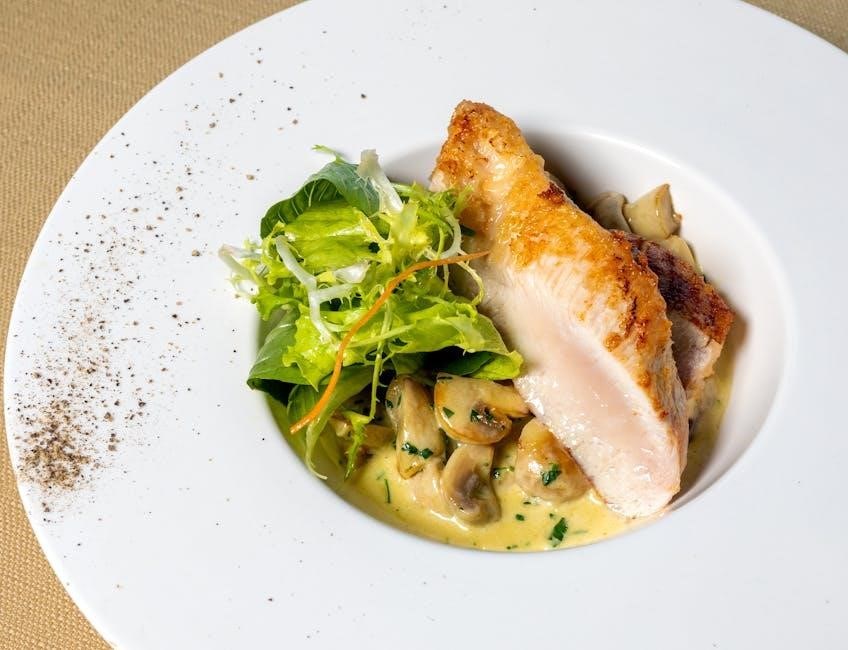
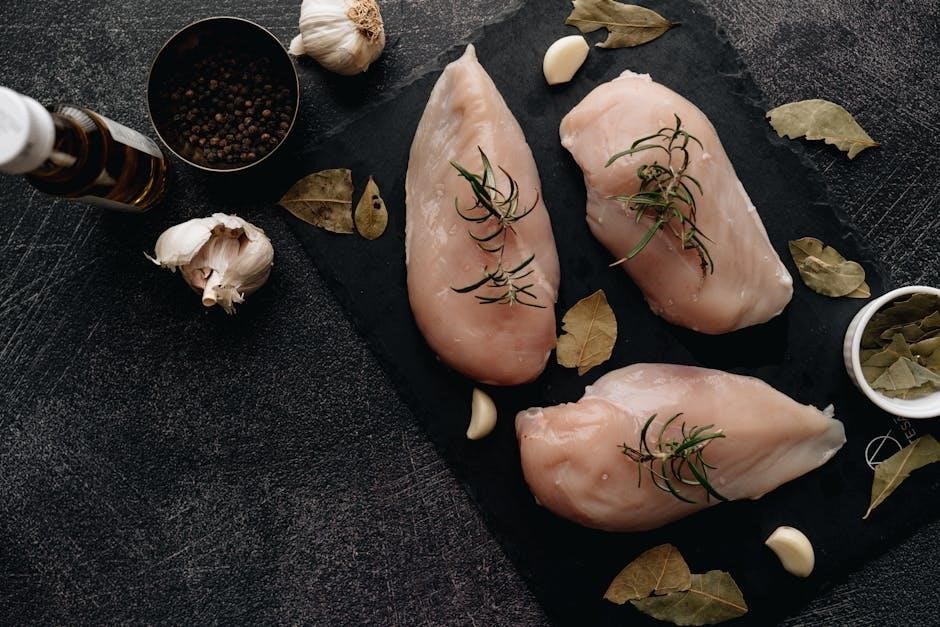
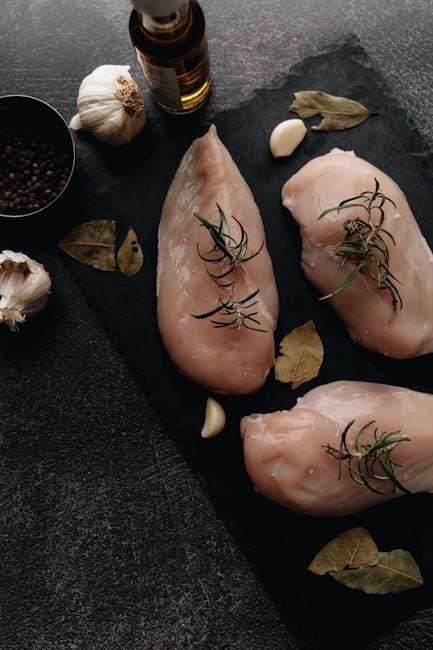
Selecting the right chicken at Fresh Market is fundamental to a successful Chicken Cordon Bleu. Opt for boneless, skinless chicken breasts, prioritizing those with a plump, even shape. This ensures consistent thickness for easier pounding and even cooking. Look for a pale pink color, indicating freshness, and avoid packages with excessive liquid, which can suggest the chicken is past its prime.
Fresh Market often offers air-chilled chicken, a superior option. Air-chilling results in a more flavorful and firmer texture compared to water-chilled varieties. Consider organic or free-range options for enhanced flavor and ethical considerations. The size of the breasts is also important; aim for approximately 6-8 ounces each, allowing for sufficient space to accommodate the ham and cheese filling.
Inspect the sell-by date carefully and choose the freshest available. Don’t hesitate to ask a Fresh Market butcher for assistance; they can often provide guidance and even custom-cut chicken breasts to your desired specifications. Quality chicken is the cornerstone of this classic dish, so invest wisely!
IV. Ham Varieties for Cordon Bleu
The ham selection significantly impacts the overall flavor profile of your Chicken Cordon Bleu. Fresh Market offers a diverse range, from classic Black Forest to honey-glazed varieties. For a traditional taste, Black Forest ham provides a robust, smoky flavor that complements the Swiss cheese beautifully. Prosciutto, while more delicate, offers a sophisticated, salty counterpoint.
Consider the salt content of the ham; some varieties are considerably saltier than others. Adjust seasoning accordingly to avoid an overly salty final dish. Honey-glazed ham introduces a touch of sweetness, creating a more complex flavor experience. Avoid heavily processed or pre-sliced ham, as these often lack the depth of flavor found in higher-quality cuts.
Thinly sliced ham is crucial for easy rolling and even distribution within the chicken breast. If purchasing a larger cut, ask Fresh Market to slice it thinly for you. Approximately 2-3 ounces of ham per chicken breast is a good guideline. Experiment with different ham types to discover your preferred combination!
V. Cheese Choices: Swiss, Gruyere, and Alternatives
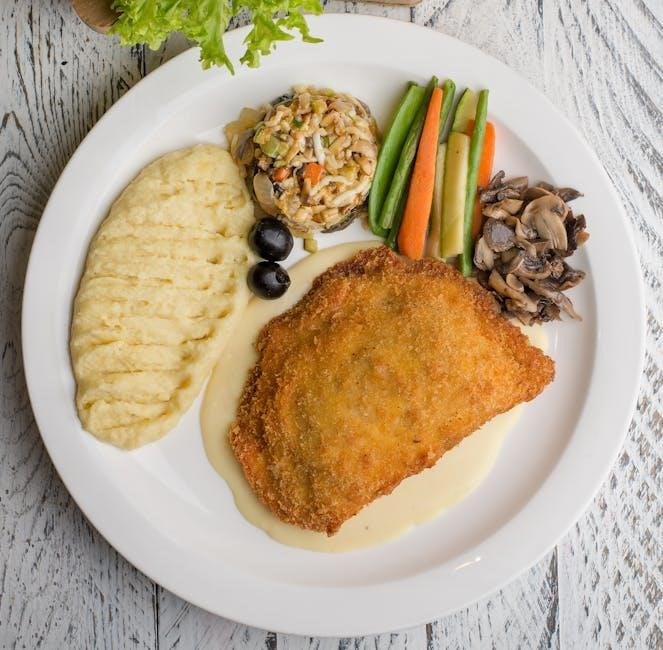
Selecting the right cheese is paramount for an authentic Chicken Cordon Bleu experience. Traditionally, Swiss cheese is the go-to choice, offering a mild, nutty flavor and excellent melting properties. However, Gruyere cheese elevates the dish with its more complex, slightly earthy notes and superior melt. Fresh Market typically stocks both, allowing for a delightful comparison.
If you prefer a bolder flavor, consider Emmental cheese, another excellent melting option with a fruity undertone. For those seeking alternatives, provolone provides a similar texture and mild flavor, though it lacks the distinct nuttiness of Swiss or Gruyere. Jarlsberg is another viable substitute, offering a slightly sweeter profile.
Ensure the cheese is sliced thinly and evenly to facilitate easy rolling and consistent melting. Approximately 2-3 ounces of cheese per chicken breast is recommended. Pre-sliced cheese from Fresh Market can save time, but freshly sliced cheese often melts more smoothly. Don’t be afraid to blend cheeses for a customized flavor!
VI. Preparing the Chicken Breasts
Proper chicken breast preparation is crucial for a successful Chicken Cordon Bleu. Begin by selecting boneless, skinless chicken breasts from Fresh Market – aim for breasts of roughly equal size for even cooking. Pat them dry with paper towels; this ensures better adhesion for seasoning and breading. Inspect for any remaining bone fragments or cartilage.
Chicken Cordon Bleu requires relatively thin chicken breasts. If your breasts are particularly thick, consider butterflying them – carefully slice horizontally through the center, almost all the way, then open them like a book. Alternatively, place the breasts between two sheets of plastic wrap and gently pound them to an even thickness of about ¼ to ½ inch.
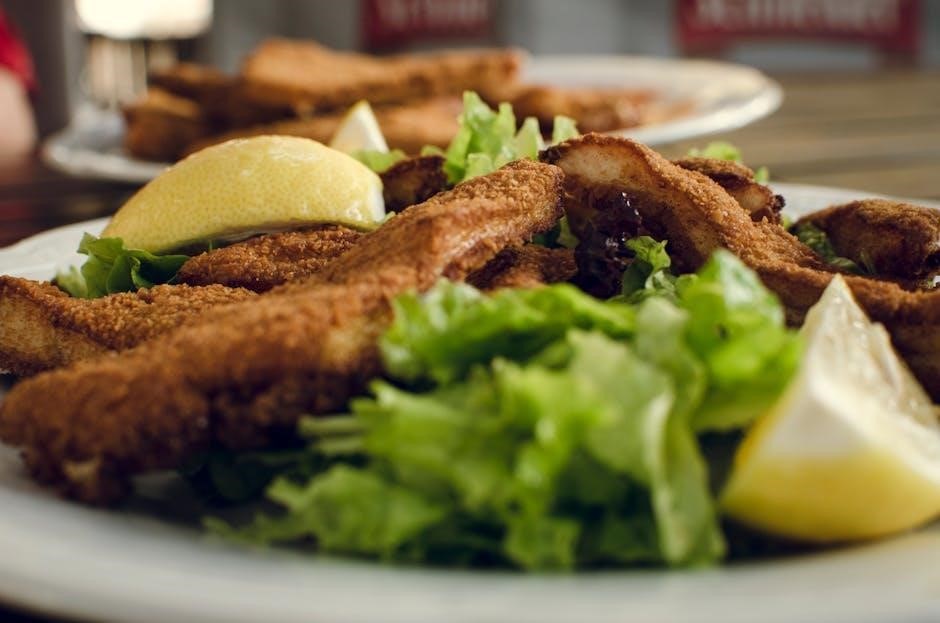
This pounding process not only tenderizes the chicken but also creates a more uniform surface for rolling. Be gentle to avoid tearing the meat. Prepared chicken breasts are now ready for seasoning and assembly, setting the stage for a truly delightful culinary experience.
VII. Pounding Chicken to Even Thickness
Achieving uniform thickness when preparing chicken for Cordon Bleu is paramount for even cooking and a beautifully formed roll. Begin by placing a chicken breast between two sheets of heavy-duty plastic wrap – this prevents splattering and protects your work surface. Using a meat mallet, gently pound the chicken, starting from the center and working outwards.
Apply consistent pressure, avoiding overly forceful blows that could tear the delicate meat. The goal isn’t to flatten the chicken completely, but rather to bring the thicker portions down to match the thinner areas. Aim for a consistent ¼ to ½ inch thickness throughout the breast. Rotate the breast as you pound to ensure evenness on all sides.
Properly pounded chicken will cook uniformly, preventing dry, overcooked edges while ensuring the center is fully cooked. This step also tenderizes the meat, resulting in a more succulent and enjoyable final product. A little patience here yields significant rewards in texture and taste.
VIII. Seasoning the Chicken for Flavor
Seasoning the chicken adequately is crucial for building a flavorful foundation, complementing the ham and Swiss cheese within the Cordon Bleu. After pounding to an even thickness, generously season both sides of each chicken breast. A simple blend of salt and freshly ground black pepper is a great starting point, but don’t be afraid to experiment.
Garlic powder, onion powder, paprika, and even a touch of cayenne pepper can add depth and complexity. Consider using an herb blend like Italian seasoning or Herbs de Provence for a more aromatic profile. Don’t skimp on the seasoning – the chicken needs to stand up to the richness of the other ingredients.
Allow the seasoned chicken to rest for at least 15-20 minutes before assembling. This allows the salt to penetrate the meat, further enhancing its flavor and tenderness. A well-seasoned chicken breast will elevate the entire dish, creating a truly satisfying culinary experience.
IX. Assembling the Chicken Cordon Bleu
Assembling Chicken Cordon Bleu requires a delicate touch to ensure a secure and flavorful roll. Begin with the prepared, seasoned chicken breast. Lay it flat on a clean surface. Arrange slices of your chosen ham – Black Forest, Prosciutto, or Honey Ham all work beautifully – over one half of the chicken, leaving a small border around the edges.
Next, layer slices of Swiss or Gruyere cheese on top of the ham. Ensure the cheese covers the ham completely, as it will melt and help bind the roll together. Don’t overfill; too much filling can make rolling difficult and cause the chicken to burst during cooking.
Carefully fold the chicken over the filling, creating a neat roll. Now, secure the roll. You can use toothpicks inserted at intervals along the seam, or tightly wrap the chicken with kitchen twine or plastic wrap. A secure roll prevents the filling from escaping and ensures even cooking.
X. Layering Ham and Cheese
Strategic layering of ham and cheese is crucial for a successful Chicken Cordon Bleu. Begin by selecting high-quality ham; Black Forest offers a robust flavor, while Prosciutto provides a delicate saltiness. Arrange the ham slices evenly across the chicken breast, ensuring complete coverage but avoiding excessive overlap which can lead to uneven rolling.
Next, introduce the cheese. Traditional choices include Swiss and Gruyere, both known for their excellent melting properties and nutty flavors. Layer the cheese directly over the ham, creating a consistent blanket. The cheese acts as a binding agent when melted, holding the ham securely within the chicken.
Avoid extending the ham or cheese beyond the chicken’s edges, as this can cause leakage during cooking. A slight border is ideal. The goal is a harmonious balance of flavors and a secure, contained filling. This careful layering ensures each bite delivers a perfect combination of chicken, ham, and melted cheese.
XI. Securing the Roll: Toothpicks or Wrapping
Successfully rolling and securing the Chicken Cordon Bleu is paramount to prevent the filling from escaping during cooking. After layering the ham and cheese, carefully begin rolling the chicken breast tightly, starting from one end. Maintain consistent pressure to create a compact cylinder.
Two primary methods exist for securing the roll: toothpicks or plastic wrap. Toothpicks are a classic choice, inserted at approximately one-inch intervals along the seam. Ensure they penetrate both the chicken and the filling to provide a firm hold. Be mindful when serving to alert diners to their presence.
Alternatively, tightly wrap the rolled chicken in plastic wrap, twisting the ends to create a sealed package. This method eliminates the need for removal before cooking but requires careful handling to prevent the plastic from melting. Regardless of the chosen method, a secure roll guarantees a neat presentation and prevents filling loss, maximizing flavor in every slice.
XII. Breading Techniques
Achieving a golden, crispy exterior is crucial for exceptional Chicken Cordon Bleu. The breading process involves three key steps: dredging in flour, dipping in an egg wash, and coating in breadcrumbs. Each stage builds upon the last, creating layers that adhere beautifully and deliver satisfying texture.
The flour dredging provides the initial adhesion layer, allowing the egg wash to grip the chicken surface. Ensure the chicken is fully coated, shaking off any excess flour. Next, the egg wash – typically a beaten egg with a splash of milk or water – acts as a binding agent. Submerge the chicken completely, allowing any excess to drip off.
Finally, the breadcrumb coating provides the final texture and color. Options include standard breadcrumbs or Panko, a Japanese-style breadcrumb known for its larger flakes and superior crispness. Press the breadcrumbs firmly onto the chicken, ensuring complete coverage for a truly delightful crunch.
XIII. Flour Dredging for Adhesion
The initial step in achieving a perfectly breaded Chicken Cordon Bleu lies in the flour dredging process. This foundational layer isn’t merely about adding bulk; it’s about creating a slightly textured surface that allows the subsequent egg wash to adhere effectively. Without proper flouring, the egg will struggle to grip the chicken, resulting in a breading that slides off during cooking.
All-purpose flour is the standard choice, though some cooks prefer adding a pinch of seasoning – paprika, garlic powder, or even a touch of cayenne – for subtle flavor enhancement. Place the flour in a shallow dish and lightly dredge each chicken breast, ensuring every surface is coated.
Crucially, shake off any excess flour before moving to the egg wash. A thick coating of flour will create a gummy texture and prevent the egg from properly bonding. The goal is a thin, even layer that provides a reliable base for the breading to cling to, setting the stage for a golden-brown, crispy finish.
XIV. Egg Wash for Breading to Stick
Following the flour dredging, the egg wash acts as the crucial intermediary, binding the dry flour coating to the breadcrumbs. This step is paramount for achieving a cohesive, beautifully browned crust on your Chicken Cordon Bleu. A simple egg wash typically consists of eggs whisked with a splash of liquid – milk, cream, or even water – to create a smooth, even consistency.
Some cooks incorporate a touch of Dijon mustard or Worcestershire sauce into the egg wash for added flavor complexity. The liquid helps to thin the eggs, making them easier to brush or dip the chicken breasts into. Ensure each breast is fully submerged or thoroughly coated with the egg wash, paying attention to all crevices and edges.
Allowing excess egg wash to drip off before proceeding to the breadcrumb stage is vital. Too much egg wash will result in a soggy breading that doesn’t crisp up properly. A light, even coating is all that’s needed to create a strong adhesive bond for the final breadcrumb layer.
XV. Breadcrumb Coating: Panko vs. Regular
The final layer, the breadcrumb coating, significantly impacts the texture of your Chicken Cordon Bleu. The choice between panko breadcrumbs and regular breadcrumbs is a matter of preference, each offering distinct characteristics. Regular breadcrumbs, finely ground, create a classic, evenly textured crust. They adhere well and provide a familiar comfort.
However, panko breadcrumbs, originating from Japan, are larger and flakier, resulting in an exceptionally crispy and light coating. Their irregular shape creates air pockets during frying or baking, leading to superior crunch. Panko tends to absorb less oil, contributing to a less greasy final product.
For enhanced flavor, consider seasoning your breadcrumbs with grated Parmesan cheese, garlic powder, paprika, or herbs like thyme and parsley. Ensure the chicken breasts are fully coated, pressing gently to help the breadcrumbs adhere. A double coating can provide an even thicker, more robust crust. Ultimately, the best breadcrumb choice depends on your desired level of crunch and texture.
XVI. Cooking Methods
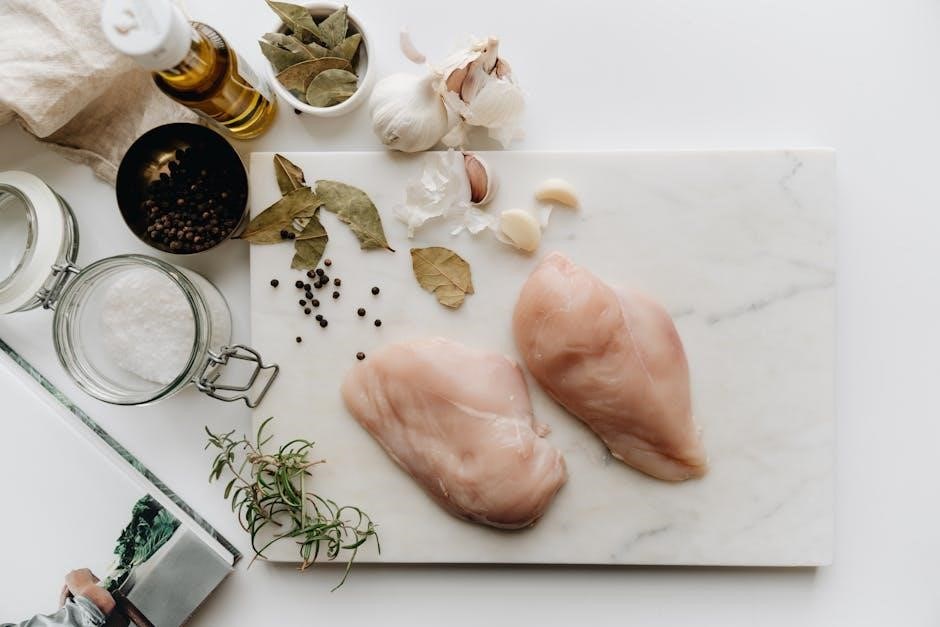
Achieving perfectly cooked Chicken Cordon Bleu hinges on selecting the appropriate cooking method. Three primary techniques – oven-baking, pan-frying, and casserole variations – each yield unique results. Oven-baking offers a hands-off approach, ensuring even cooking and minimizing oil usage. It’s ideal for a healthier preparation, though achieving maximum crispness may require higher temperatures or a brief broil at the end.
Pan-frying delivers a golden-brown, exceptionally crispy exterior, but demands more attention to prevent burning. Maintaining a consistent oil temperature is crucial. Casserole variations, popularized by chefs like Ree Drummond, simplify the process, combining all ingredients in a single dish for convenient, comforting results.
Regardless of the method, internal temperature is paramount. Chicken Cordon Bleu is safely cooked when it reaches 165°F (74°C). Using a meat thermometer ensures accuracy. Allow the cooked chicken to rest for a few minutes before serving, allowing the juices to redistribute for a more tender and flavorful experience.
XVII. Oven-Baked Chicken Cordon Bleu
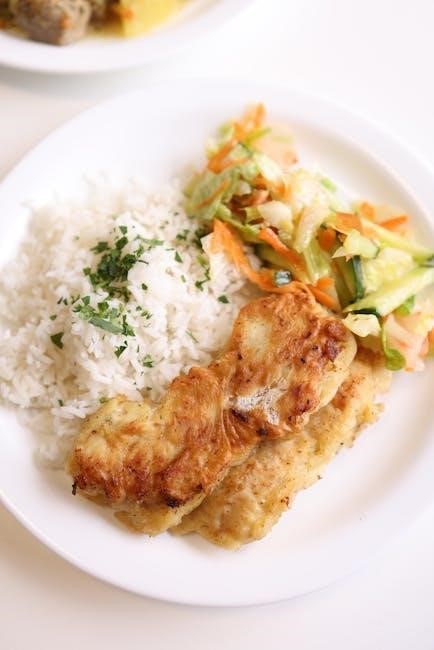
Oven-baking presents a convenient and relatively healthy approach to preparing Chicken Cordon Bleu. Begin by preheating your oven to 375°F (190°C). Place the assembled, breaded chicken rolls in a lightly greased baking dish. For optimal browning, consider using a rack within the dish to allow air circulation around all sides of the chicken.
Bake for approximately 25-30 minutes, or until the internal temperature reaches 165°F (74°C) as measured with a meat thermometer. Halfway through baking, you can gently flip the chicken rolls to ensure even cooking and browning. If desired, broil for the final 2-3 minutes, watching carefully to prevent burning, to achieve a more golden and crispy crust.
Allow the chicken to rest for 5-10 minutes before serving. This resting period allows the juices to redistribute, resulting in a more tender and flavorful final product. Oven-baked Chicken Cordon Bleu offers a balance of convenience and classic flavor, making it a reliable choice for a satisfying meal.
XVIII. Pan-Fried Chicken Cordon Bleu
Pan-frying delivers a beautifully browned and crispy exterior to Chicken Cordon Bleu, though it requires a bit more attention than baking. Begin by heating approximately ¼ inch of oil – vegetable or canola work well – in a large skillet over medium-high heat. Ensure the oil is hot before adding the breaded chicken rolls.
Carefully place the chicken in the hot oil, ensuring not to overcrowd the pan; work in batches if necessary. Fry for about 3-4 minutes per side, until golden brown and cooked through. The internal temperature should reach 165°F (74°C). Gently turn the rolls to ensure even browning and prevent sticking.
Remove the cooked chicken from the skillet and place it on a wire rack lined with paper towels to drain excess oil. This helps maintain the crispiness. Pan-fried Chicken Cordon Bleu offers a richer, more indulgent experience due to the direct contact with the hot oil, resulting in a satisfyingly crunchy texture.
XIX. Casserole Variations
Chicken Cordon Bleu Casserole offers a comforting and simplified approach to this classic dish, perfect for weeknight dinners. It retains the beloved flavors but eliminates the individual rolling and breading process. Begin by layering cooked, diced chicken, sliced ham, and Swiss or Gruyere cheese in a greased baking dish.
A creamy sauce is essential; a béchamel-based sauce, often enhanced with Dijon mustard and a touch of nutmeg, works beautifully. Pour the sauce evenly over the chicken and ham mixture, ensuring everything is well coated. Top with breadcrumbs – Panko provides extra crunch – and a sprinkle of Parmesan cheese.
Bake at 375°F (190°C) for 20-25 minutes, or until bubbly and golden brown. Casserole variations can include adding vegetables like broccoli or spinach for added nutrition and flavor. Ree Drummond’s version exemplifies this convenient and delicious adaptation, offering a fuss-free way to enjoy Chicken Cordon Bleu.
XX. Quick & Easy Chicken Cordon Bleu (Bobby Flay Inspired)
Bobby Flay’s streamlined Chicken Cordon Bleu prioritizes speed without sacrificing flavor. This approach utilizes pre-cut chicken cutlets, significantly reducing prep time. Instead of traditional rolling, the ham and cheese are layered directly onto the chicken, then quickly secured with toothpicks or by folding over.
A simplified breading process involves a quick dredge in flour, followed by an egg wash, and finally a coating of Panko breadcrumbs for maximum crispness. Pan-frying is the preferred cooking method, ensuring a golden-brown exterior and a juicy interior. This method takes approximately 20 minutes from start to finish.
Flay’s inspiration focuses on efficiency, delivering a restaurant-quality meal in a fraction of the time. The result is a remarkably easy recipe, boasting only 258 calories per serving, making it a guilt-free indulgence. This version is ideal for busy weeknights when a delicious, yet manageable, dinner is a must.
XXI. Serving Suggestions
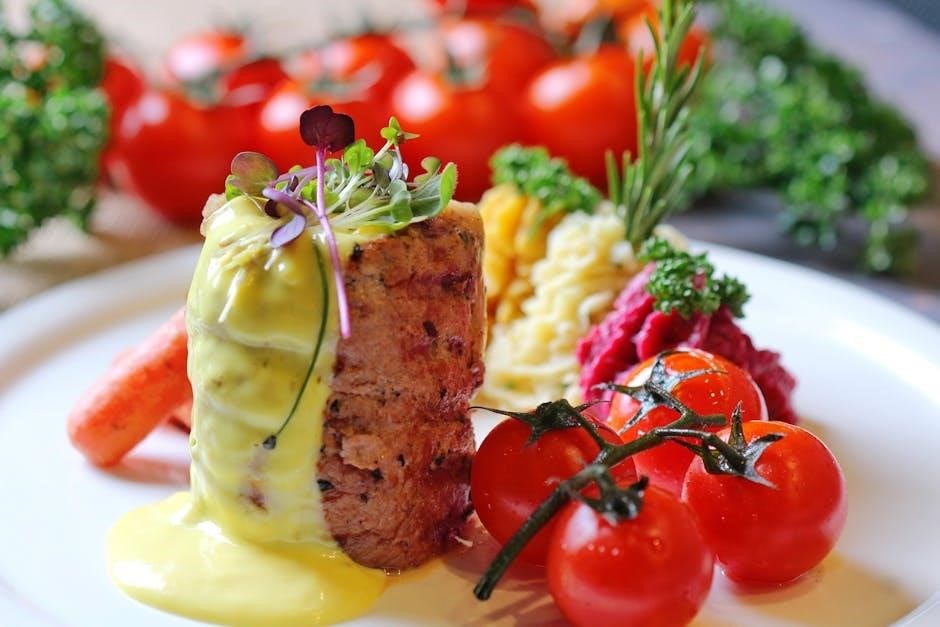
Chicken Cordon Bleu’s rich flavor profile demands thoughtful accompaniments. Classic pairings lean towards lighter sides that balance the dish’s inherent richness. Roasted asparagus, with its slightly bitter notes, provides a refreshing contrast. Similarly, a simple green salad with a lemon vinaigrette cuts through the creamy textures.
For heartier options, consider roasted Brussels sprouts or garlic mashed potatoes. Wild rice pilaf also complements the dish beautifully, adding a nutty dimension. The key is to avoid sides that compete with the Cordon Bleu’s delicate flavors.
Sauce selection is crucial. A classic Dijon mustard sauce enhances the ham’s savory notes. Alternatively, a creamy béchamel sauce adds another layer of indulgence. A fruit chutney, like apricot or raspberry, offers a sweet and tangy counterpoint. Ultimately, the goal is to elevate the dining experience, creating a harmonious blend of flavors and textures.
XXII. Complementary Side Dishes
To truly elevate your Fresh Market Chicken Cordon Bleu, consider side dishes that offer balance and textural contrast. Roasted vegetables are an excellent choice; asparagus, with its slight bitterness, cuts through the richness, while Brussels sprouts provide a satisfying caramelized sweetness. Green beans, lightly sautéed with almonds, offer a delicate crunch.
For starchier accompaniments, a simple wild rice pilaf is a sophisticated choice, its nutty flavor complementing the ham and Swiss. Garlic mashed potatoes, prepared with a touch of cream cheese, provide comforting indulgence. Alternatively, consider a quinoa salad with herbs and lemon for a lighter, healthier option.
Don’t overlook the power of a fresh salad. A mixed green salad with a light vinaigrette cleanses the palate between bites. A simple potato salad, dressed with Dijon mustard and herbs, also works well. The goal is to create a complete meal that’s both satisfying and harmonious.
XXIII. Sauces to Enhance the Flavor
While Chicken Cordon Bleu is flavorful on its own, a well-chosen sauce can elevate the dining experience. A classic Dijon cream sauce is a natural pairing, its tangy richness complementing the ham and Swiss cheese. Prepare it by reducing white wine with Dijon mustard, then whisking in heavy cream for a luxurious finish.
For a lighter option, consider a lemon-butter sauce. The bright acidity cuts through the richness of the dish, providing a refreshing contrast. Simply melt butter with lemon juice and a touch of parsley. A mushroom sauce, made with sautéed mushrooms, shallots, and a splash of sherry, adds an earthy depth.
Don’t underestimate the simplicity of a honey-mustard glaze. Its sweet and tangy notes create a delightful counterpoint to the savory flavors. Alternatively, a simple pan sauce, deglazed with white wine after cooking the chicken, captures all the delicious browned bits.
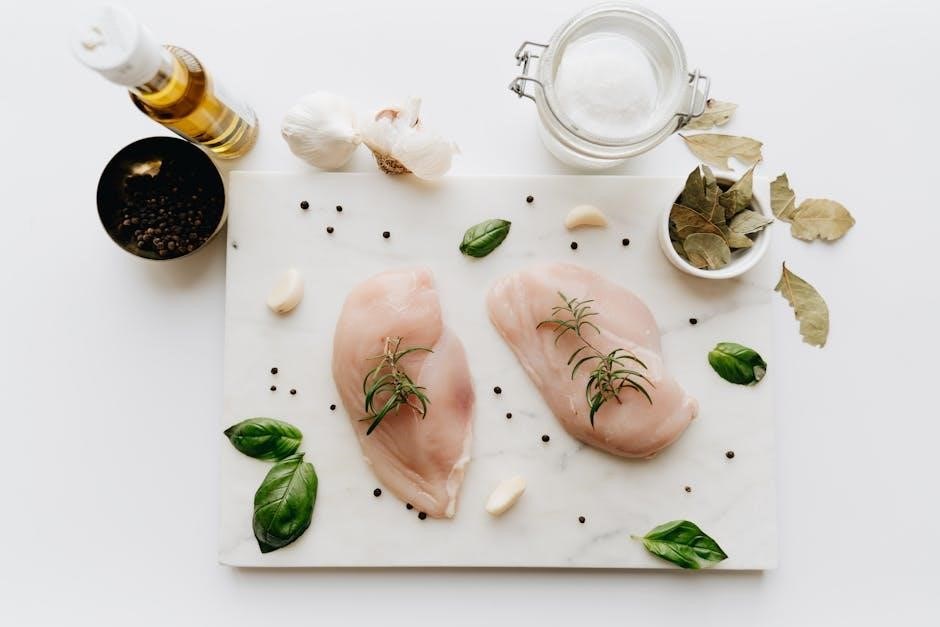
XXIV. Nutritional Information & Considerations
Traditional Chicken Cordon Bleu is a rich dish, and understanding its nutritional profile is important. A typical serving (approximately 6 ounces) can contain around 500-700 calories, with a significant portion from fat – roughly 30-40 grams. Protein content is substantial, around 40-50 grams, due to the chicken and ham.
Sodium levels can be high due to the processed ham and cheese, potentially exceeding 800mg per serving. Carbohydrate content is relatively low, around 10-15 grams, primarily from the breading. To make it healthier, consider using leaner ham, reduced-fat cheese, and whole-wheat breadcrumbs.
Baking instead of frying significantly reduces fat content. Portion control is key, as is balancing the meal with a generous serving of vegetables. Individuals monitoring their cholesterol intake should be mindful of the cheese and butter used. A lighter sauce, like a lemon-butter sauce, can also contribute to a healthier overall profile.