Product Overview
The Health o meter Professional scale delivers precise eye‑level measurements up to 500 kg. It features a durable digital display‚ automatic zeroing‚ and certified calibration. Its ergonomic platform supports accurate weight readings for patients and athletes alike. Ideal for use‚ it delivers repeatable readings.

Safety Precautions
Before operating the Health o meter Professional scale‚ read all warnings and ensure the unit is placed on a stable‚ level surface. Avoid placing the scale on uneven or soft flooring‚ as this can compromise accuracy. Keep the platform clear of debris‚ liquids‚ and sharp objects that could damage the sensor. Do not exceed the maximum load of 500 kg; overloading can cause mechanical failure and inaccurate readings. When calibrating‚ use only certified weights that match the scale’s calibration range. Do not use the scale if it shows a fault code or if the display is damaged. Disconnect the power supply before cleaning or performing maintenance‚ and never attempt to repair the unit yourself—contact authorized service personnel. Store the scale in a dry‚ dust‑free environment when not in use. Ensure that the display is protected from direct sunlight or high‑temperature sources‚ as excessive heat can degrade the electronics. Follow all local electrical safety regulations when connecting the unit to a power source. Finally‚ keep the scale’s user manual accessible for reference and train all operators on proper handling procedures to prevent injury and ensure accurate measurements. Ensure the scale is calibrated regularly and that all users are trained in safe handling procedures. The scale’s display should be inspected for any visible damage before each use‚ and the device should be stored in a temperature-controlled environment to maintain accuracy. Regular maintenance checks are essential for ensuring long-term reliability with industry standards!!!!!!

Technical Specifications
Model: Health o meter Professional 500KG Eye Level Digital Scale (P/N UM2595KL_REV20200128). Max load: 500 kg (1‚100 lb). Accuracy: ±0.2 kg; resolution: 0.01 kg. Platform: 650 mm × 650 mm‚ high‑strength steel‚ anti‑slip coating. Display: 4‑digit LCD‚ backlit‚ 3‑line LED for zero‚ tare‚ error. Power: 100–240 V AC‚ 50/60 Hz‚ 1.5 A; battery backup: 2 × AA (30 min). Sensor: 4‑sensor load‑cell array. Calibration: certified weights (±0.01 kg)‚ on‑screen prompts; interval: 12 months or 2000 measurements. Date code: on back of display head; chart: 2020–2021→1.0.0‚ 2022–2023→1.0.3. Modes: single‚ two‚ or multi‑person (up to 4). Zeroing: auto on power‑on‚ manual via button. Tare: auto after measurement. Error codes: E01 overload‚ E02 sensor fault‚ E03 low battery. Overload alarm‚ low battery indicator‚ auto‑zero‚ auto‑tare. USB data export; firmware updates via USB. Env.: 0–50 °C‚ 10–90 % RH‚ non‑condensing. Storage: 0–50 °C‚ 10–90 % RH. The scale supports up to 4 users simultaneously. Firmware version 1.0.3 ensures up‑to‑date accuracy. Certifications: CE‚ RoHS‚ UL‚ ISO 9001:2015‚ ISO 14001:2015‚ ISO 13485:2016‚ EN 60601‑1‑2‚ IEC 60601‑1. Warranty: 2 years limited. Service: authorized Health o meter Professional technicians only. Maintenance: periodic calibration‚ cleaning with non‑abrasive cloth‚ avoid solvents. Safety: keep level‚ avoid overloading‚ disconnect power before cleaning. Dimensions: 700 mm × 700 mm × 200 mm; weight: 12 kg. Packaging: 1 unit per carton‚ 10 units per pallet. Shipping: air or sea freight.
Internal memory: logs up to 10‚000 entries; data export via USB. Battery life: 30 min at full load. Firmware update: connect USB‚ run Health o meter Professional software‚ follow prompts. Overload protection: 520 kg safety margin. Platform surface: anti‑slip‚ corrosion‑resistant. Sensor calibration: 4‑point calibration using certified weights. Date code chart: 2020–2021 (1.0.0)‚ 2022–2023 (1.0.3). Compliance: IEC 60601‑1‚ EN 60601‑1‑2‚ ISO 13485. Shipping weight: 12 kg. Warranty: 2 years from purchase. Service center: authorized Health o meter Professional. Battery backup ensures operation during power outages. The scale is designed for patient comfort‚ eye‑level operation‚ and reliable performance in clinical settings.
Calibration Procedures
Locate the date code on the back of the display head‚ select the correct version‚ power on‚ press the CAL button‚ place a certified weight‚ wait for the confirmation light‚ remove the weight‚ repeat for all calibration points‚ verify readings‚ and save the calibration. Use only certified weights. Calibration
Date Code Identification
The date code is a concise alphanumeric sequence that indicates the manufacturing date and batch of the Health o meter Professional scale. It is printed on a small sticker or etched onto the product label located on the back of the display head. The code typically follows a format such as YYYYMMDD or a combination of letters and numbers that correspond to the production line and month. To locate the date code‚ remove any protective film covering the label‚ then inspect the back of the digital display. The code is usually adjacent to the model number and may be surrounded by a small rectangle or a series of bars that help prevent tampering. Once the code is identified‚ refer to the manufacturer’s calibration chart‚ which matches each date code to the appropriate calibration procedure. This ensures that the scale is calibrated according to the exact specifications for its production batch‚ maintaining accuracy and compliance with health and safety standards. If the date code is missing or illegible‚ contact Health o meter Professional support for assistance before proceeding with calibration or use. Proper identification of the date code is essential for troubleshooting‚ warranty claims‚ and ensuring the scale’s performance remains within the specified tolerance limits. The date code not only indicates the production date but also links to the specific calibration routine required for that batch. By following the chart associated with the code‚ technicians can verify that the scale’s zero and tare functions are within tolerance‚ ensuring reliable measurements for clinical and athletic settings!!!
Step-by-Step Calibration
Power on the scale and let the display initialize. 2. Ensure the platform is clean and level. 3. Locate the date code on the back of the display head and match it to the calibration chart for this batch. 4. Enter calibration mode by pressing the “CAL” button until the display shows “CAL”. 5. Place a certified calibration weight on the platform; the weight must be within the scale’s maximum capacity and have a tolerance of ±0.5 g. 6. Wait for the display to stabilize; a steady reading confirms proper contact! 7. Press “SET” to lock the weight into the calibration routine. 8. The scale will adjust its zero point and display a confirmation code! 9. Remove the weight and allow the display to return to zero. 10. If dual‑point calibration is required‚ repeat steps 5–9 with a second certified weight! 11. After both points are set‚ press “EXIT” to return to normal operation. 12. Verify accuracy by weighing a known reference object; the reading should match the known mass within tolerance! 13. If the reading deviates‚ repeat the calibration steps or contact support. 14. Document the calibration date‚ weight used‚ and any adjustments made in the maintenance log! 15. Store the scale in a dry‚ temperature‑controlled environment to preserve calibration integrity. 16. Calibration must be verified annually to ensure compliance! 17. Follow all local regulations regarding medical device calibration. 18. Calibration should be performed by trained personnel only. 19. End of calibration procedure.
Operating Instructions
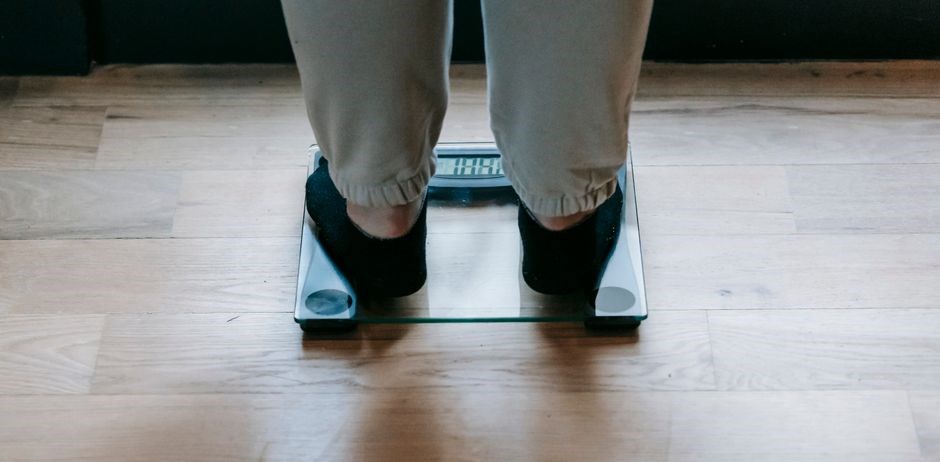
Place the scale on a flat surface. Power on. Step onto the platform and wait for the display to stabilize. Press the “RESET” button to clear previous readings. Use the “MODE” button to switch between weight units. Record the measurement for patient records. Check calibration. !
Weight Measurement Modes
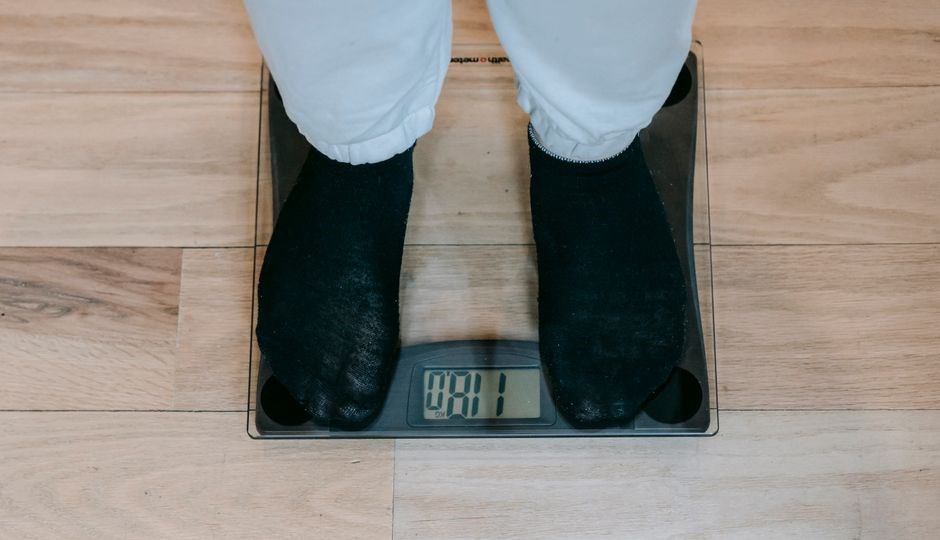
The Health o meter Professional scale provides three primary weight measurement modes‚ each tailored to specific clinical or athletic requirements. The standard mode displays weight in kilograms (kg) with a resolution of 0.1 kg‚ ideal for routine patient assessments and general use. By pressing the MODE button‚ users can switch to the imperial mode‚ which shows weight in pounds (lb) with the same decimal precision‚ facilitating compatibility with facilities that use the U.S. customary system. For laboratories or research settings that demand finer granularity‚ the precision mode offers a resolution of 0;01 kg‚ allowing sub‑gram accuracy when combined with certified calibration weights. This mode is especially useful for monitoring subtle changes in body composition over time. The scale also includes a compact mode that reduces the display to a single digit‚ providing a quick visual cue for high‑traffic areas where a full readout is unnecessary. Each mode retains the automatic zeroing feature‚ ensuring the platform resets to zero when the weight is removed‚ thereby preventing cumulative errors. Users should confirm the selected mode before each measurement to avoid data entry mistakes. The firmware logs the mode setting‚ enabling audit trails for compliance with healthcare regulations. For detailed troubleshooting of mode selection‚ refer to the troubleshooting guide. The display supports back‑lit illumination for low‑light environments‚ and the LCD can auto‑sleep after 30 seconds of inactivity to conserve battery life. Users should verify that the platform surface is level and free of debris before each session‚ as uneven surfaces can introduce measurement drift. Annual calibration ensures compliance with regulatory standards and maintains measurement integrity!
Using the Scale at Eye Level
Position the scale on a flat‚ stable surface and ensure the platform is level. The Health o meter Professional scale is designed for eye‑level use‚ allowing the operator to read the digital display without bending or craning the neck. Before each measurement‚ verify that the platform is free of debris and that the firmware is current. The eye‑level design incorporates a wide‚ back‑lit LCD that remains readable in low‑light conditions‚ reducing eye strain for clinicians and patients alike.
When a patient steps onto the platform‚ the scale automatically zeroes and displays the weight in the selected mode. The operator should stand beside the scale and maintain a 45° angle to the display to avoid glare. If the patient is unable to stand‚ use the built‑in step‑up platform to bring the patient to the correct height. The scale’s ergonomic footprint ensures that the patient’s feet are positioned within the designated area‚ preventing slippage and ensuring accurate readings.
For multi‑patient environments‚ the scale’s quick‑switch feature allows rapid mode changes without resetting the zero. The operator can also use the PRINT button to generate a hard copy of the measurement‚ which is useful for charting and billing. The scale’s safety interlock prevents the display from turning on if the platform is not fully closed‚ ensuring that the patient’s weight is not recorded until the platform is secure.
To maintain accuracy‚ perform a daily calibration check using certified weights. The scale’s calibration routine can be accessed by pressing CAL and following the on‑screen prompts. After calibration‚ verify the zero point by removing all weights and confirming a stable 0.0 reading. Store the scale in a temperature‑controlled environment between 15°C and 25°C to avoid drift. Follow the manufacturer’s maintenance schedule and replace the platform mat every 12 months or sooner if visibly worn.
Compliance with local health regulations is ensured by the scale’s certified calibration and traceable audit logs‚ providing confidence for clinical and commercial use while supporting streamlined workflow integration.
Maintenance and Cleaning
Regular upkeep of the Health o meter Professional scale ensures continued accuracy and longevity. Begin each maintenance cycle by turning the unit off and disconnecting it from the power source. Use a soft‚ lint‑free cloth dampened with a mild‚ non‑abrasive cleaner to wipe the display and platform. Avoid harsh chemicals‚ solvents‚ or abrasive materials that could damage the LCD or the platform’s protective coating.
Inspect the platform surface for scratches‚ dents‚ or worn areas. Replace the platform mat if it shows signs of wear or if the anti‑slip texture has degraded‚ as this can affect weight readings. The platform should remain level; use a spirit level to verify and adjust the base legs if necessary. Tighten all mounting screws securely to prevent wobble during operation.
Check the calibration weights stored in the unit’s compartment. Verify that the weights are certified and have not been exposed to moisture or corrosion. Replace any weight that shows signs of damage. Store the calibration weights in a dry‚ temperature‑controlled environment to maintain their integrity.
Perform a daily zero‑check by placing the scale on a flat surface and confirming a stable 0.0 reading. If the zero drifts‚ run the built‑in calibration routine by pressing the CAL button and following the on‑screen prompts. Document each calibration in the maintenance log‚ noting the date‚ time‚ and technician name.
Keep the scale’s firmware up to date by downloading the latest software from the manufacturer’s website. Install updates during scheduled downtime to avoid disrupting clinical workflows. After each update‚ run a full calibration to confirm accuracy.
Store the scale in a clean‚ dust‑free area when not in use. Cover the unit with a breathable‚ protective cover to prevent accumulation of dust. Ensure the storage area maintains temperatures between 15°C and 25°C and humidity below 60% to avoid condensation on electronic components.
Schedule routine inspections every six months‚ focusing on the electronic connections‚ display‚ and platform integrity; Replace any worn or damaged components promptly. Adhering to this maintenance schedule will extend the scale’s service life and guarantee reliable performance in clinical settings.
Troubleshooting Guide
If the display stays blank‚ please consult chart and replace mainboard if needed. If the unit shows a blinking LED‚ check battery and replace if low. For error codes‚ refer to the table in the manual and contact support. If the display remains zero after a certified weight‚ verify platform level and clean now!!!.
Common Error Codes
| Code | Description |
|---|---|
| E01 | Power supply failure. Verify AC adapter and outlet. |
| E02 | Sensor malfunction. Clean load cell area. |
| E03 | Calibration required. Use certified weight. |
| E04 | Overload. Remove load and wait for clear. |
| E05 | Low battery indicator. Replace battery pack. |
| E06 | Firmware error. Reset unit by holding reset button 5 s. |
| E07 | Communication loss. Check data cable connection. |
| E08 | Platform tilt detected. Level scale and re‑calibrate. |
| E09 | Internal temp out of range. Cool to room temp. |
| E10 | Unknown error. Contact authorized service. |
For persistent errors‚ ensure the scale is placed on a level surface and that no metallic objects interfere with the load cell. Verify that the display power indicator is steady; a flickering light may indicate a loose connection. Refer to manual for details!? Should the problem remain‚ contact Health o meter Professional service for a comprehensive diagnostic and potential firmware update. Regular calibration and cleaning of the platform will reduce the likelihood of recurring faults.
Warranty and Service Information
Health o meter Professional scales are backed by a limited 2‑year warranty covering manufacturing defects and electronic failures under normal use. The warranty period begins on the date of purchase and applies only to the original purchaser. Covered items include the scale housing‚ load cell assembly‚ display unit‚ and power supply. Defects such as loose connections‚ sensor failure‚ or display malfunction will be repaired or replaced at no charge. Non‑covered items include damage from misuse‚ accidental drops‚ exposure to liquids‚ or unauthorized modifications. Service requests must be submitted within the warranty period via the authorized service portal or by contacting the regional service center. A valid proof of purchase and serial number are required. The manufacturer reserves the right to inspect the unit before approving a repair. If the scale is found to be damaged beyond repair‚ a replacement may be issued subject to availability. For out‑of‑warranty service‚ a diagnostic fee applies‚ followed by a quoted repair cost. All repairs are performed by certified technicians using genuine replacement parts. The warranty does not cover software updates; firmware upgrades are provided free of charge on a scheduled basis. In addition‚ the manufacturer offers a 5‑year extended service plan for an additional fee‚ which includes annual calibration‚ priority support‚ and discounted parts. To enroll‚ contact the local distributor or visit the official website. The warranty is non‑transferable and void if the scale is used in a hazardous environment or subjected to extreme temperatures beyond 0 °C to 40 °C. For any questions‚ reach out to customer support at 1‑800‑555‑1234 or email support@healthometer.com. All claims must be made in writing and are subject to the terms and conditions outlined in the warranty booklet. The manufacturer disclaims any liability for indirect‚ incidental‚ or consequential damages arising from the use of the scale. By using the scale‚ the user acknowledges acceptance of these terms.
Shipping of replacement units is free for warranty claims; international shipping incurs standard rates. Return shipping for defective units is prepaid by the manufacturer. The scale must be returned in original packaging. Upon receipt‚ a diagnostic test is performed and a repair estimate provided. If the repair is accepted‚ the unit will be returned within 7–10 business days. The manufacturer offers a mail‑in repair program for customers without local service access. The customer must provide a signed authorization form and a prepaid shipping label. The scale will be inspected‚ repaired‚ and shipped back with a tracking number. All warranty claims are governed by the laws of the state of manufacture‚ and liability is limited to repair or replacement of the scale. The user agrees to comply with all safety and maintenance instructions to preserve warranty coverage.
For updates or changes to warranty terms‚ contact 1‑800‑555‑1234 now.