The Healthy Keto Plan PDF Free: A Comprehensive Guide (Updated April 16, 2026)
Embark on a transformative journey with a ketogenic diet, a high-fat, low-carb approach potentially inducing ketosis for efficient fat utilization and weight management.
What is the Ketogenic Diet?
The ketogenic diet is a nutritional strategy centered around drastically reducing carbohydrate intake and replacing it with healthy fats. This unique approach fundamentally shifts the body’s primary fuel source.
Typically, our bodies rely on glucose – derived from carbohydrates – for energy. However, when carbohydrate consumption is severely limited, the body enters a metabolic state called ketosis. In ketosis, the liver begins to break down fats into molecules called ketones, which then serve as the primary energy source for the brain and body.
Essentially, the ketogenic diet forces the body to become a fat-burning machine. It’s not simply a “low-carb” diet; the carbohydrate restriction is significant, usually falling between 20-50 grams per day. This makes it distinct from other lower-carb eating plans. Understanding this core principle is crucial for successfully implementing and benefiting from a keto lifestyle.
The Science Behind Ketosis
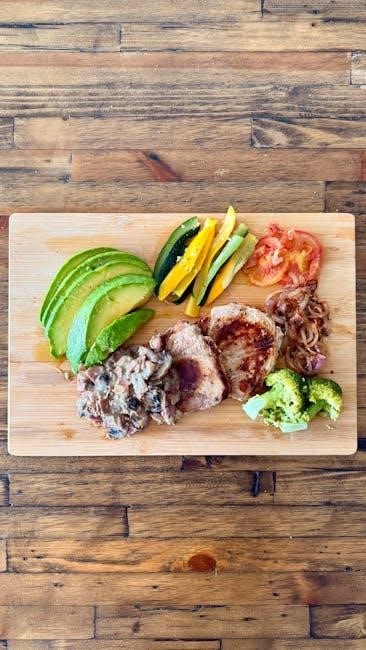
Ketosis isn’t a new or artificial state; it’s a natural metabolic process. Historically, humans entered ketosis during periods of fasting or starvation when carbohydrate availability was limited. The body adapted by finding an alternative fuel source – fat.
When you restrict carbohydrates, insulin levels drop. Insulin is a hormone that facilitates glucose uptake into cells. Lower insulin signals the body to start mobilizing stored fat. These fats are transported to the liver and converted into three primary ketone bodies: acetoacetate, beta-hydroxybutyrate, and acetone.
These ketones circulate in the bloodstream and can cross the blood-brain barrier, providing energy for the brain. While glucose is the brain’s preferred fuel, ketones are a viable and efficient alternative. This metabolic shift is the foundation of the ketogenic diet’s potential benefits.
Benefits of a Healthy Keto Diet
Beyond weight management, a well-formulated ketogenic diet offers a range of potential health benefits. The shift to utilizing fat for fuel can lead to sustained energy levels, eliminating the energy crashes often associated with high-carbohydrate diets. Many individuals report experiencing improved mental clarity and focus while in ketosis, attributed to the brain’s efficient use of ketones.
Furthermore, the ketogenic diet has shown promise in managing certain health conditions. It can significantly improve blood sugar control, making it a potential tool for individuals with type 2 diabetes. The diet’s anti-inflammatory properties may also contribute to overall wellness and disease prevention.

However, it’s crucial to emphasize a healthy keto diet, prioritizing nutrient-dense foods.
Weight Loss and Keto
The ketogenic diet is frequently adopted for its potential to facilitate weight loss, and the underlying mechanism is quite compelling. By drastically reducing carbohydrate intake, the body is compelled to switch its primary fuel source from glucose to fat. This metabolic state, known as ketosis, triggers the breakdown of stored fat for energy, leading to a reduction in overall body fat percentage.
Moreover, the high-fat content of the keto diet promotes satiety, meaning you feel fuller for longer, naturally reducing calorie intake. Protein intake is also typically higher on keto, further contributing to feelings of fullness and preserving lean muscle mass during weight loss.
However, sustainable weight loss requires a holistic approach.

Improved Blood Sugar Control
A ketogenic diet can significantly improve blood sugar control, particularly for individuals with type 2 diabetes or insulin resistance. By minimizing carbohydrate consumption, the demand for insulin is substantially reduced. This allows the body to utilize existing insulin more effectively, leading to lower and more stable blood sugar levels.
Reduced carbohydrate intake also diminishes the frequency and severity of blood sugar spikes and crashes, contributing to more consistent energy levels throughout the day. Many individuals following a keto diet experience a decrease in their reliance on diabetes medication, though this should always be done under the guidance of a healthcare professional.
Consistent monitoring is crucial for optimal results.
Enhanced Mental Clarity
Many individuals report experiencing enhanced mental clarity and focus while following a ketogenic diet. This improvement is often attributed to the brain’s ability to efficiently utilize ketones as an alternative fuel source. Unlike glucose, ketones provide a steady and sustained energy supply, avoiding the peaks and valleys associated with carbohydrate-based diets.
This stable energy flow can lead to improved cognitive function, including better concentration, memory, and overall mental performance. Some proponents suggest keto may also have neuroprotective benefits, potentially aiding in conditions like Alzheimer’s and Parkinson’s disease, though further research is needed.
Reduced brain fog is a commonly reported benefit.
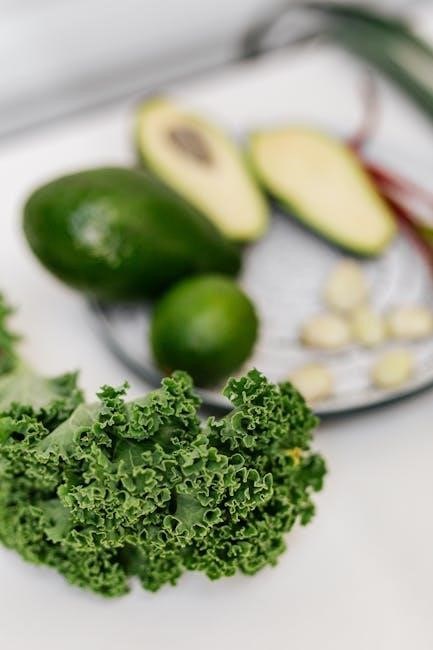
Getting Started with Keto: A Step-by-Step Approach
Successfully transitioning to keto requires careful planning, macro calculation, and mindful food choices to achieve and maintain the metabolic state of ketosis effectively.
Calculating Your Macros (Fat, Protein, Carbs)
Determining your macronutrient ratios – fat, protein, and carbohydrates – is fundamental to keto success. A typical starting point involves roughly 70-80% of calories from fat, 20-25% from protein, and 5-10% from net carbs (total carbs minus fiber).
To calculate these, begin with your daily caloric needs based on activity level, age, and weight. Online keto calculators can simplify this process, providing personalized macro targets. Protein intake should be moderate, preventing gluconeogenesis (conversion of protein to glucose), which hinders ketosis.

Prioritize healthy fats to fuel your body, and strictly limit carbohydrate consumption to typically under 50 grams of net carbs per day. Consistent tracking using food scales and apps is crucial for adherence and optimizing results. Adjustments may be needed based on individual responses and goals.
Foods to Eat on a Keto Diet
A successful keto diet centers around nutrient-dense, low-carb food choices. Embrace healthy fats like avocados, olive oil, coconut oil, and nuts (macadamia, almonds). Prioritize quality protein sources such as fatty fish (salmon, mackerel), beef, poultry, and eggs.
Non-starchy vegetables are essential for fiber and micronutrients; include spinach, kale, broccoli, and cauliflower. Dairy can be included in moderation, opting for full-fat options like cheese and heavy cream.
Remember to read labels carefully, as hidden carbs are common. Focus on whole, unprocessed foods to maximize nutritional benefits and support sustained ketosis. Strategic food choices are key to enjoying a varied and satisfying keto lifestyle.
Healthy Fats Sources
Fat is the cornerstone of a ketogenic diet, providing over 70% of your daily calories. Prioritize monounsaturated and polyunsaturated fats for optimal health. Excellent sources include avocados – a versatile and nutrient-rich option – and high-quality olive oil, perfect for dressings and low-heat cooking.
Coconut oil is another fantastic choice, offering medium-chain triglycerides (MCTs) for quick energy. Nuts and seeds, like macadamia nuts, almonds, and chia seeds, provide healthy fats and fiber. Fatty fish, such as salmon and mackerel, deliver omega-3 fatty acids, crucial for brain health.
Don’t shy away from full-fat dairy like cheese and heavy cream in moderation. Remember, fat isn’t the enemy on keto; it’s your primary fuel source!
Protein Choices
Protein intake on a keto diet should be moderate – around 20-25% of your daily calories. Too much protein can be converted into glucose, hindering ketosis. Opt for high-quality protein sources to support muscle mass and overall health.
Excellent choices include fatty cuts of meat like steak and salmon, providing both protein and healthy fats. Poultry, such as chicken and turkey, is also a good option, especially dark meat with the skin on. Eggs are incredibly versatile and nutrient-dense.
Consider incorporating pork, lamb, and even organ meats for a wider range of nutrients. When choosing processed meats, select those with minimal added sugars or carbohydrates.
Low-Carb Vegetable Options
Non-starchy vegetables are crucial for a healthy keto diet, providing essential vitamins, minerals, and fiber with minimal carbohydrate impact. Focus on leafy greens like spinach, kale, and lettuce, which are incredibly low in carbs and packed with nutrients.
Broccoli, cauliflower, and Brussels sprouts are excellent choices, offering versatility in recipes. Asparagus, zucchini, and green beans are also keto-friendly options. Bell peppers (especially green) can be included in moderation.
Remember to track your carb intake from vegetables, as even low-carb options contribute to your daily limit. Prioritize variety to ensure a broad spectrum of micronutrients.
Foods to Avoid on Keto
Successfully navigating the ketogenic diet requires strict avoidance of certain food groups that can quickly derail ketosis. Sugary foods and drinks, including soda, juice, candy, and baked goods, are absolutely off-limits due to their high carbohydrate content.
Grains and starches, such as wheat, rice, pasta, corn, and potatoes, must also be eliminated as they are primarily composed of carbohydrates. Most fruits are restricted, although small portions of berries like strawberries or blueberries can sometimes be included in moderation.
Legumes (beans and lentils) are generally too high in carbs for a strict keto diet. Processed foods often contain hidden sugars and starches, so careful label reading is essential.
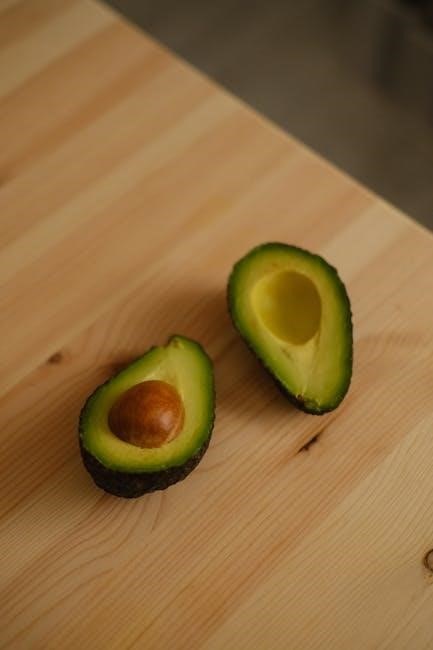
Sugary Foods and Drinks
Eliminating sugary foods and drinks is paramount when adopting a ketogenic lifestyle. These items rapidly increase blood sugar and insulin levels, effectively halting the metabolic state of ketosis. This includes obvious culprits like soda, fruit juice, sweetened iced tea, and sports drinks.
However, hidden sugars are equally problematic. Be wary of processed foods, sauces, and condiments that often contain added sugars like high-fructose corn syrup or sucrose. Desserts – cakes, cookies, pastries, and ice cream – are strictly forbidden due to their substantial carbohydrate load.
Even seemingly healthy options like sweetened yogurt or flavored oatmeal should be avoided. Prioritize water, unsweetened tea, and black coffee as your primary beverage choices to maintain ketosis.
Grains and Starches
Grains and starches are significant sources of carbohydrates and must be drastically reduced or eliminated on a ketogenic diet. These foods are quickly broken down into glucose, hindering the body’s ability to enter and maintain ketosis, the fat-burning metabolic state central to the keto plan.
This restriction encompasses all forms of wheat – bread, pasta, cereals, and pastries – as well as rice, corn, oats, barley, and rye. Starchy vegetables like potatoes, sweet potatoes, and yams also fall into this category and should be avoided.
Processed grain-based snacks, such as crackers, chips, and pretzels, are equally unsuitable. Focusing on non-starchy vegetables and healthy fats will provide essential nutrients without compromising your ketogenic goals.
Most Fruits (Limited Portions Allowed)
While fruits offer valuable vitamins and antioxidants, most are relatively high in natural sugars (fructose), making them challenging to incorporate liberally into a ketogenic diet. Consuming excessive fructose can easily disrupt ketosis, hindering fat burning and potentially stalling weight loss progress.

Generally, high-sugar fruits like bananas, grapes, mangoes, and pineapples should be avoided. Berries – strawberries, blueberries, raspberries, and blackberries – are lower in carbohydrates and can be enjoyed in limited portions.
Small servings of fruits like avocados and lemons are keto-friendly options; Careful portion control and mindful selection are crucial when including fruit in your keto plan to maintain metabolic efficiency.
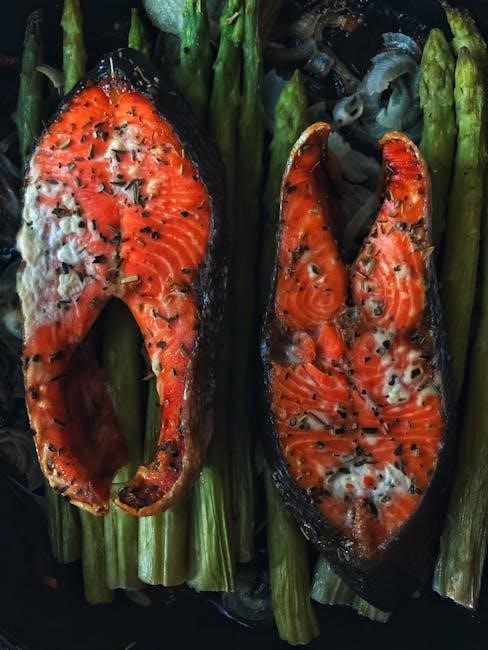
Finding a Free Keto Plan PDF
Numerous online resources offer free keto plans in PDF format, but discerning quality and reliability is essential for a safe and effective dietary transition.
Reputable Sources for Keto Plans
Seeking a free keto plan PDF requires careful source evaluation. Diet Doctor is a highly regarded website offering comprehensive keto resources, including downloadable plans, recipes, and guides created by dietitians and nutritionists. Their content is generally evidence-based and well-structured, making it a solid starting point.
Perfect Keto provides another valuable resource, focusing on keto-friendly products and accompanying meal plans. While they promote their own products, the free plans offer a good overview of keto principles. Ruled.me is also popular, offering detailed guides and meal plans designed for various keto approaches, including targeted and cyclical keto.
Be cautious of blogs or websites with unclear authorship or lacking scientific backing. Always prioritize sources that emphasize whole, unprocessed foods and sustainable lifestyle changes over quick fixes. Checking for credentials and reading user reviews can further aid in identifying trustworthy keto resources.
What to Look for in a Keto PDF
A quality keto PDF should prioritize clarity and comprehensiveness. Look for a plan detailing macronutrient breakdowns – fat, protein, and carbohydrates – expressed in grams, not just percentages. A good plan will offer a variety of meal options, preventing dietary monotony and ensuring adequate nutrient intake.
Crucially, the PDF should emphasize whole, unprocessed foods. Beware of plans heavily reliant on processed “keto” products. It should also include guidance on electrolyte supplementation, recognizing the importance of sodium, potassium, and magnesium during the initial adaptation phase.
Finally, a reputable PDF will acknowledge potential side effects like the “keto flu” and offer strategies for mitigation. It should also disclaim that individual results may vary and encourage consultation with a healthcare professional before starting any new diet.
Potential Risks of Free Keto Plans
While accessible, free keto plans carry inherent risks. Many lack the oversight of registered dietitians or medical professionals, potentially offering unbalanced or nutritionally deficient guidance. Some may promote unsustainable or overly restrictive practices, leading to disordered eating patterns.
Furthermore, free PDFs often contain inaccuracies or outdated information regarding ketosis and its effects. They might downplay potential side effects like the keto flu, electrolyte imbalances, or kidney stress. Be wary of plans promising rapid or unrealistic weight loss, as these are often misleading.
Always critically evaluate the source and cross-reference information with reputable health websites before implementing any free keto plan. Prioritize your health and consider professional guidance for a safe and effective ketogenic journey.
Sample Keto Meal Plan (7-Day)
Discover a week of delicious, keto-friendly meals designed to kickstart your journey, providing structure and inspiration for sustained success with this diet.
Breakfast Ideas
Start your keto day right with satisfying and energizing breakfast options! Scrambled eggs with cheese and spinach are a classic, providing healthy fats and protein. Consider a bulletproof coffee – blending coffee with MCT oil and butter – for sustained energy and focus. For a sweeter treat, explore keto-friendly pancakes made with almond flour and a sugar substitute.
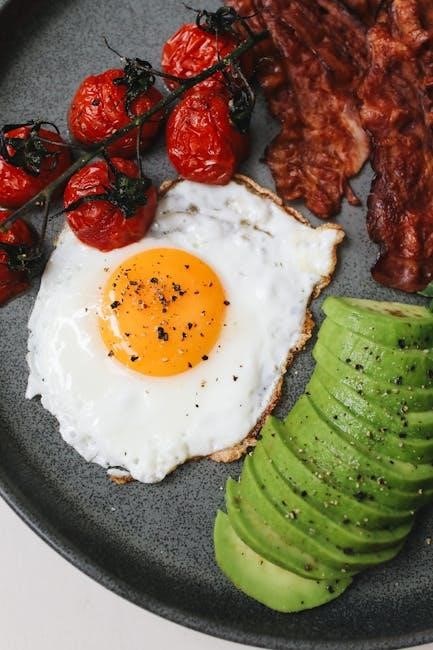
Avocado and egg bowls offer a creamy and nutritious start. Chia seed pudding, prepared with unsweetened almond milk and berries (in moderation), is another excellent choice. Don’t forget about omelets filled with your favorite low-carb vegetables and cheese. These breakfasts prioritize healthy fats, moderate protein, and minimal carbohydrates, setting the stage for a successful keto day. Remember to adjust portion sizes to fit your individual macro goals!
Lunch Ideas
Fuel your afternoon with delicious and keto-compliant lunch options! A large salad with grilled chicken or salmon, avocado, and a full-fat vinaigrette is a fantastic choice. Consider tuna or chicken salad made with mayonnaise (check for added sugars!) served in lettuce wraps instead of bread. Leftovers from dinner are always a convenient and keto-friendly option.
Cauliflower rice bowls topped with seasoned ground beef or shrimp and low-carb veggies provide a satisfying and filling meal. Zucchini noodles (zoodles) with pesto and grilled chicken are another flavorful alternative. Remember to prioritize healthy fats and protein while keeping carbohydrate intake minimal. Pre-planning and prepping lunches will help you stay on track with your keto goals throughout the week!
Dinner Ideas
Conclude your day with satisfying and keto-approved dinners! Baked salmon with roasted asparagus and a lemon-butter sauce is a simple yet elegant option. Ground beef and broccoli stir-fry, seasoned with soy sauce (low-sodium) and ginger, offers a flavorful and quick meal. Chicken thighs roasted with herbs and served alongside cauliflower mash are incredibly comforting.
Consider steak with a side of sautéed spinach and mushrooms. Keto chili, made without beans, is a hearty and warming choice. Focus on incorporating healthy fats, moderate protein, and non-starchy vegetables into your dinners. Planning ahead and utilizing meal prepping techniques will streamline your evenings and ensure consistent keto adherence.
Keto Flu and How to Manage It
Transitioning to keto may cause temporary “flu-like” symptoms; prioritize electrolyte balance, hydration, and adequate rest to mitigate discomfort during this adjustment period.
Symptoms of the Keto Flu
The “keto flu” isn’t a true influenza, but a collection of symptoms experienced when the body adapts to using fat for fuel instead of carbohydrates. These symptoms typically arise within the first few days or week of starting a ketogenic diet, as your body adjusts to the metabolic shift. Common indicators include headache, fatigue, muscle cramps, and general weakness.
Many individuals also report experiencing nausea, irritability, and difficulty concentrating – often described as “brain fog”. Digestive issues, such as constipation or diarrhea, are also frequently noted. These symptoms stem from electrolyte imbalances, particularly sodium, potassium, and magnesium, which are often flushed out during the initial stages of ketosis.
The intensity and duration of keto flu vary significantly from person to person, depending on factors like hydration levels, electrolyte intake, and individual metabolic rate. Recognizing these symptoms allows for proactive management and a smoother transition into a ketogenic lifestyle.
Electrolyte Balance and Keto
Maintaining proper electrolyte balance is crucial when following a ketogenic diet, as carbohydrate restriction significantly impacts electrolyte levels. When insulin levels drop, the kidneys excrete more sodium, leading to imbalances. This sodium loss is a primary contributor to many “keto flu” symptoms. Potassium and magnesium are also readily depleted during ketosis due to altered kidney function and reduced intake from restricted foods.
Insufficient electrolytes can manifest as muscle cramps, fatigue, headaches, and heart palpitations. Proactive supplementation is often necessary. Sodium can be replenished through salt intake, while potassium-rich foods (like avocados and spinach – in moderation) or supplements can help restore levels. Magnesium supplementation is also frequently recommended.
Prioritizing electrolyte intake isn’t just about alleviating initial symptoms; it’s vital for sustained energy, optimal muscle function, and overall well-being on a ketogenic plan.
Staying Hydrated on Keto
Adequate hydration is paramount on a ketogenic diet, often exceeding typical daily recommendations. The initial stages of keto can cause increased water loss due to depleted glycogen stores; glycogen holds water, and its reduction leads to fluid excretion. Furthermore, the diuretic effect of ketosis itself encourages more frequent urination, exacerbating dehydration risks.
Dehydration can mimic or worsen “keto flu” symptoms, including headaches, fatigue, and constipation. Aim to drink at least eight 8-ounce glasses of water daily, and potentially more depending on activity level and climate. Don’t wait until you feel thirsty to drink!
Consider incorporating electrolyte-rich beverages or adding a pinch of sea salt to your water to help retain fluids and support electrolyte balance alongside hydration. Consistent water intake is fundamental for a successful and comfortable keto experience.